Less Court, Less Cost, Less Conflict.
A will records your wishes and names a guardian for minor children. A fuller plan reaches further into long-term care, protecting assets, and lowering what an estate pays in taxes, fees, and court costs. We can help you sort out the details of this larger plan.
Our full-service international law firm prepares estate documents and represents families in probate. Both are part of our practice, so a family does not have to find new counsel when a plan has to be carried out.
Law House PC practices international tax and expatriate financial matters alongside estate planning. Clients with assets, income, or heirs outside the state or the country can raise those questions with the same firm.
The right combination depends on what you own, who depends on you, and where your assets sit. A young family with one house and two children needs something different from a business owner with property in two states. Those facts decide whether a will alone is enough or whether a trust is needed.
Probate is the court process that validates a person’s will and transfers property after they die. It is a matter of public record, it usually lasts months rather than weeks, and it spends estate money on court costs and administration before anything reaches the people named in the will.
A well-built plan reduces how much of an estate has to travel that route. Assets properly transferred into a trust generally pass to beneficiaries without probate, and the terms stay private.
Probate is also an open proceeding, so the size of an estate and the identity of its beneficiaries can become public. It can also result in disagreements between family members, because the court gives them a forum.
Families looking to avoid probate and already in probate can find help at Law House PC.
Owning property in more than one state can mean more than one probate. Someone who lives in California and owns a second home outside the state can leave a family running an ancillary case in that state on top of the California case, under two sets of rules and two court calendars.
Assets, income, or heirs outside the country add another layer, and foreign tax treatment becomes part of the picture.
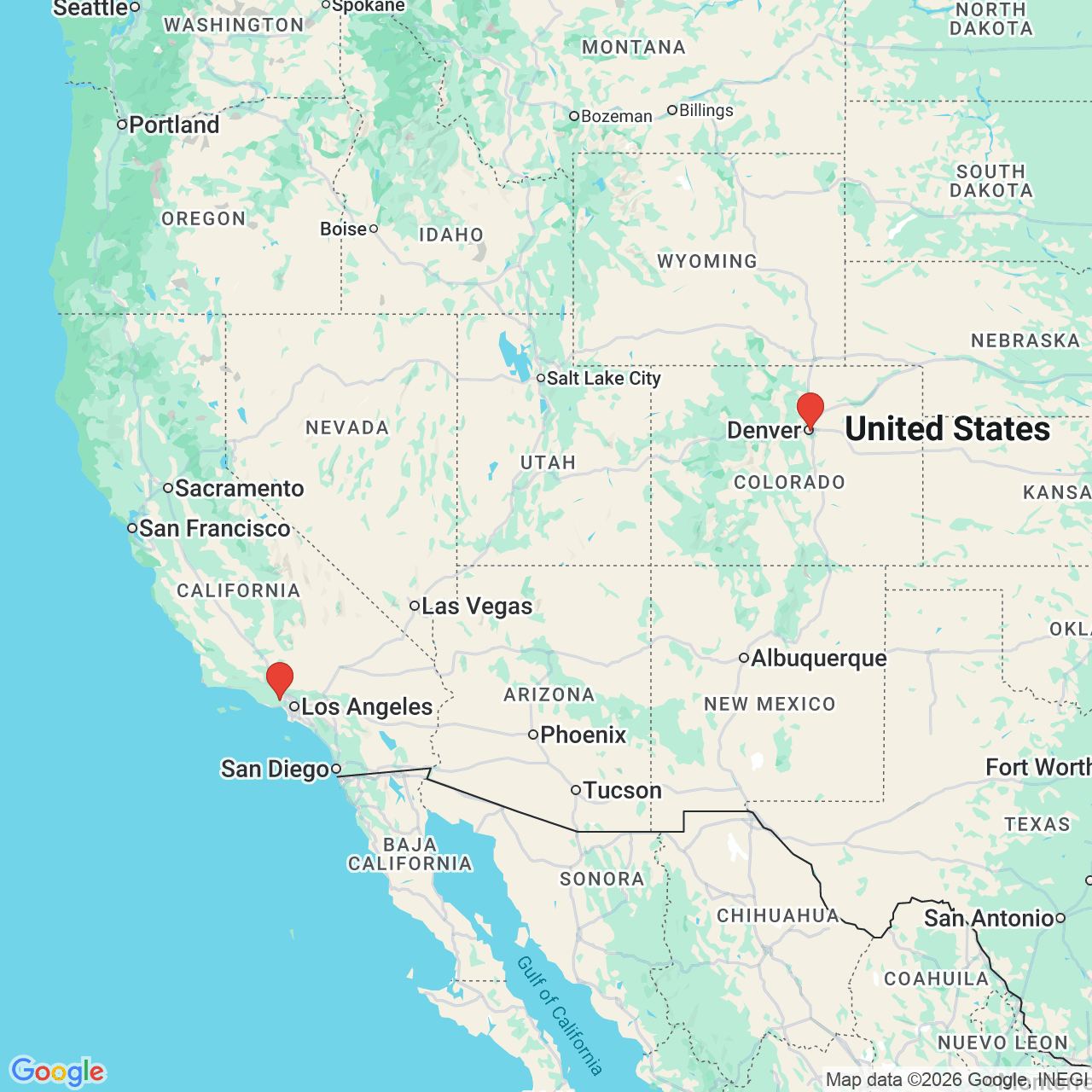
Law House PC has offices in Los Angeles, CA, and Colorado. We practice international tax and expatriate financial matters alongside estate work.
An estate plan is not a document you sign once and then you’re done. It should be revisited whenever a big life event occurs, such as:
Divorce is the one people miss most. Dissolution changes some of what a plan does automatically, but beneficiary designations on retirement accounts and life insurance often still name a former spouse until someone changes them.
It depends on what you own. A will directs where property goes but still moves that property through probate. A trust holds the assets you transfer into it and passes them to beneficiaries without a court transfer. Many California plans use both, with the will covering anything the trust does not.
State laws decide how your assets get allocated in a fixed order that may not account for your relationships or your intentions. A court also appoints the person who administers the estate and, if one is needed, a guardian for minor children.
Not that property. Real estate is generally handled by the courts of the state where it sits, which can mean an ancillary case in that state in addition to the California case. Accounts and personal property are treated differently and usually do pass through the California proceeding.
Whether you're dealing with a speeding ticket in Los Angeles or need help understanding international tax laws as an expat, our attorneys can help you navigate the legal process and secure the best possible outcome.
Locations
We have 2 locations to visit us at.